
From the Kyoto Protocol to COP 29: Progress and Developments
2025 is shaping up to be a pivotal year, even a decisive one, in terms of greenhouse gas emissions.
According to the latest report from the IPCC (Intergovernmental Panel on Climate Change), a UN body, "this year should be the one where emissions peak if the world wants to have a chance of keeping the temperature rise within the range of 1.5 to 2 degrees Celsius, as recommended by the Paris Agreement."
Regarding greenhouse gas emissions, the peak would be reached this year, theoretically, if the said agreement is respected.
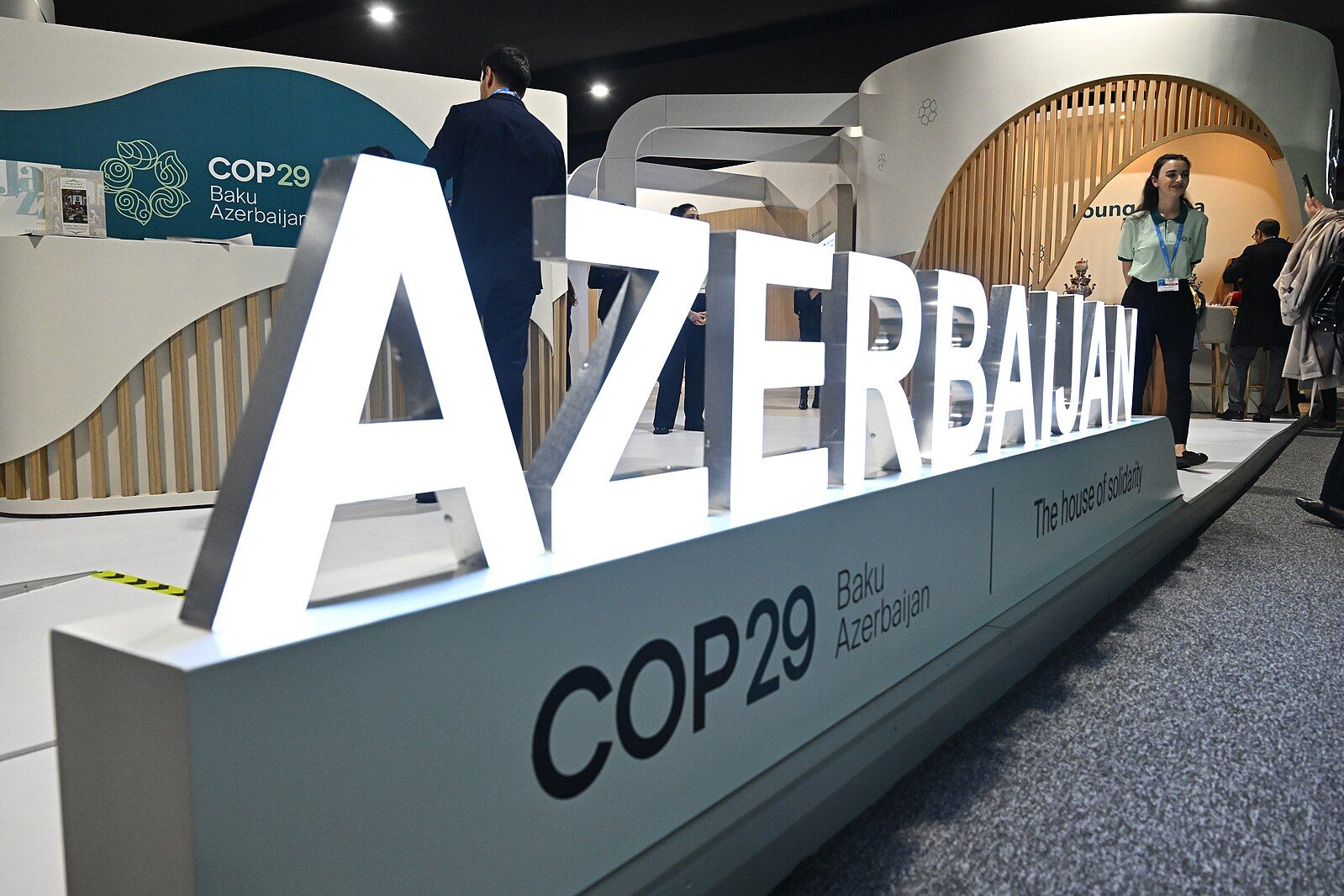
During COP 29 in November 2024, the focus was on financing climate action.
This major event brought together nearly 200 countries in Baku, Azerbaijan.
It was an opportunity for the European Commission to establish a new roadmap regarding the partnership for methane reduction to accelerate the reduction of emissions linked to fossil fuel production and consumption. Everything relies on collaboration between partner countries, the International Energy Agency, and several non-governmental organizations.
This partnership represents a model of cooperation between fossil fuel-importing and -exporting countries. This will help companies improve their monitoring, reporting, and verification systems to reduce methane emissions.
According to Wopke Hoekstra, Commissioner for Climate Action, "Reducing methane emissions in the energy sector is an easily achievable climate action goal. It's a matter of economic common sense. It contributes to strengthening our energy security while reducing emissions. The roadmap we are launching today shows the way forward for cooperation between importing and exporting countries. For the EU, it is clear: we can effectively reduce methane emissions only if we work together on global supply chains with all relevant parties."
As part of the global methane commitment launched by the EU and the United States, over 150 countries aim for a collective target of reducing global anthropogenic methane emissions by at least 30% by 2030, compared to 2020 levels.
This new roadmap outlines a system of monitoring, reporting, and verification based on the principles of the Oil and Gas Methane Partnership 2.0 (OGMP 2.0), as well as a project to reduce emissions from assets.