
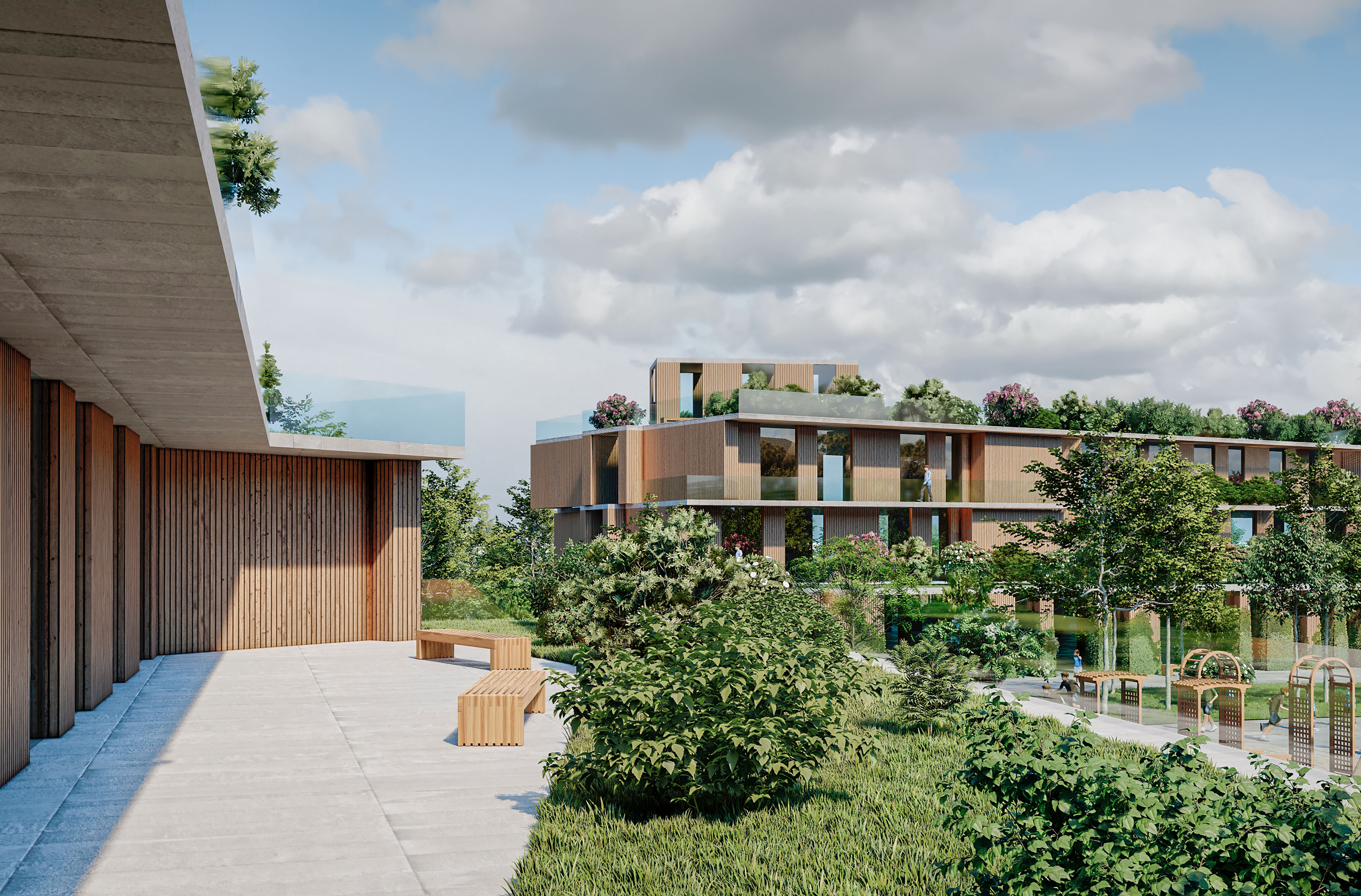
WHAT IS BREEAM CERTIFICATION?
Marinate the beef:
In a bowl, mix the soy sauce, oyster sauce, chili paste, garlic, ginger, and honey. Add the sliced beef, coat well, and let it marinate for at least 15 minutes Heat the oil:
In a hot pan or wok, add the vegetable oil. Cook the beef:
Add the marinated beef and stir-fry over high heat for 2–3 minutes until browned. Do not overcook. Add vegetables:
Add the onion, bell pepper, and chili pepper. Stir-fry for another 2–3 minutes.
WHAT ARE THE BENEFITS?
The certification evaluates the environmental performance of a building taking into account various criteria such as energy performance, water management, greenhouse gas emissions, indoor air quality, use of sustainable materials in construction, and waste management. The surrounding landscape and green spaces, utilization of innovative processes, and transportation are also factors taken into consideration.
These performance indicators allow for a precise measurement of the sustainability of a construction project and its impact on the environment.
To obtain BREEAM certification, a team of experts will assess the new building by measuring ten factors, including:
Energy: Lighting systems, heating, ventilation, household appliances, and information technology equipment will be analyzed to assess the building's energy consumption. Potential sources of energy efficiency improvements may also be identified based on consumption data.
Water: Plumbing systems, rainwater harvesting devices, and wastewater management will be used to evaluate water use in the building.
Construction materials: The sources of materials used, their lifespan, and construction waste management constitute recycling. Their reuse establishes the building's durability.
Greenhouse gas emissions: Or the management of building pollution sources. Examination of emissions related to building activities, occupant travel, and energy consumption is considered.
Occupant health and well-being: Outdoor and indoor air quality are analyzed through ventilation systems, products used in construction and design, as well as indoor air quality monitoring measures. The importance of sound insulation to reduce external noise and respect the comfort of residents is noted.
Landscape and ecosystem around the building: This involves evaluating the ecological impacts of the site on its environment. Management of green spaces, biodiversity, waste recycling, and measures to adapt to climate change are considered here.
Another criterion for eco-responsible and certified housing is access to sustainable transportation around the site.
CONCRETELY FOR ME?
By promoting the design and construction of more environmentally friendly buildings, BREEAM certification helps reduce the ecological footprint of real estate projects by offering solutions to reduce energy consumption. These measures not only have a positive impact on the environment but also significantly decrease the energy bills of the inhabitants of these homes.
By considering factors such as indoor air quality, green spaces, or natural light, certified buildings offer a more pleasant and healthier environment, influencing the well-being of their occupants who benefit from high-quality housing. These homes will enjoy better financial value, being more attractive on the market for both sale and rental in the short and medium term.
Furthermore, BREEAM certification complies with local and national environmental regulations, promoting a long-term vision for tenants and a sustainable real estate investment for owners.
It guarantees the commitment of real estate developers to environmental protection, as well as the satisfaction of international environmental performance standards. Over 600,000 buildings (residential, commercial, industrial, educational, or healthcare) have been certified in more than 89 countries with an expected annual growth of around 15%.