
What is the RE 2020?
1 - WHAT IS IT?
The RE 2020 is a regulation aimed at significantly reducing energy consumption by imposing strict standards on insulation, ventilation, and heating and cooling equipment. It reduces their climate impact by taking into account greenhouse gas emissions over the entire life cycle of buildings.
The RE 2020 promotes innovation by integrating at least one renewable energy source in construction and the use of sustainable building materials. This regulation improves the living comfort of occupants through enhanced thermal and acoustic insulation and by making homes more pleasant to live in during summer by adapting them to future climatic conditions through better thermal comfort design.
Indeed, the RE 2020 (Environmental Regulation 2020) replaces the RT 2012 (Thermal Regulation 2012) and complies with the Energy Transition Law for Green Growth (LTECV 2015) and the Housing, Planning and Digital Evolution Law (ELAN 2018), thus contributing to the reduction of greenhouse gas emissions and the fight against climate change.
2- SINCE WHEN?
As of January 1, 2022, the RE 2020 applies to the construction of buildings and parts of buildings such as extensions, for residential use, that are the subject of a building permit application or a prior declaration of works. Therefore, in 2024, the RE 2020 is in force and mandatory for all new buildings.
3- CONCRETELY?
The RE 2020 generalizes Positive Energy Buildings (BEPOS) and Passive Energy Buildings (BEPAS). It introduces the concept of Life Cycle Analysis of materials (LCA), by favoring the use of bio-sourced and low-emission materials such as wood for construction, in order to minimize energy consumption. The RE 2020 is a new standard aimed at building positive energy homes (producing more energy than they consume) and passive houses (spending very little energy and recycling what they produce).
Passive housing
A Passive Energy Building, BEPAS, is a building that meets minimal energy consumption and has reinforced air tightness with enhanced thermal insulation. The RE 2020 mandates the construction of passive buildings that produce as much energy as they consume. Therefore, the energy consumption of the housing per square meter is very low, even zero, and entirely offset by solar or geothermal contributions.
The priority is to reduce thermal losses. To achieve this, its heating consumption must be less than 15 kWh/sqm per year (for renovations, it goes up to 25 kWh/sqm per year), and its total energy consumption must be less than 120 kWh/sqm. The Passive Energy Building relies primarily on excellent insulation of walls, such as walls, roof, and floor. Its air tightness is optimal.
It should be noted that the BEPAS label certifies high energy performance for a home, significantly reducing heating and air conditioning bills for residents.
Positive Energy Housing
Also known as BEPOS, a Positive Energy Building must generate more energy than it consumes and be energy independent.
To achieve this, its heating consumption must be less than 12 kWh/sqm per year, and its primary energy consumption must be less than 100 kWh/sqm. The housing must be able to produce energy for its energy balance to be positive (heating, lighting, hot water, heat/cold recovery, and electrical appliances).
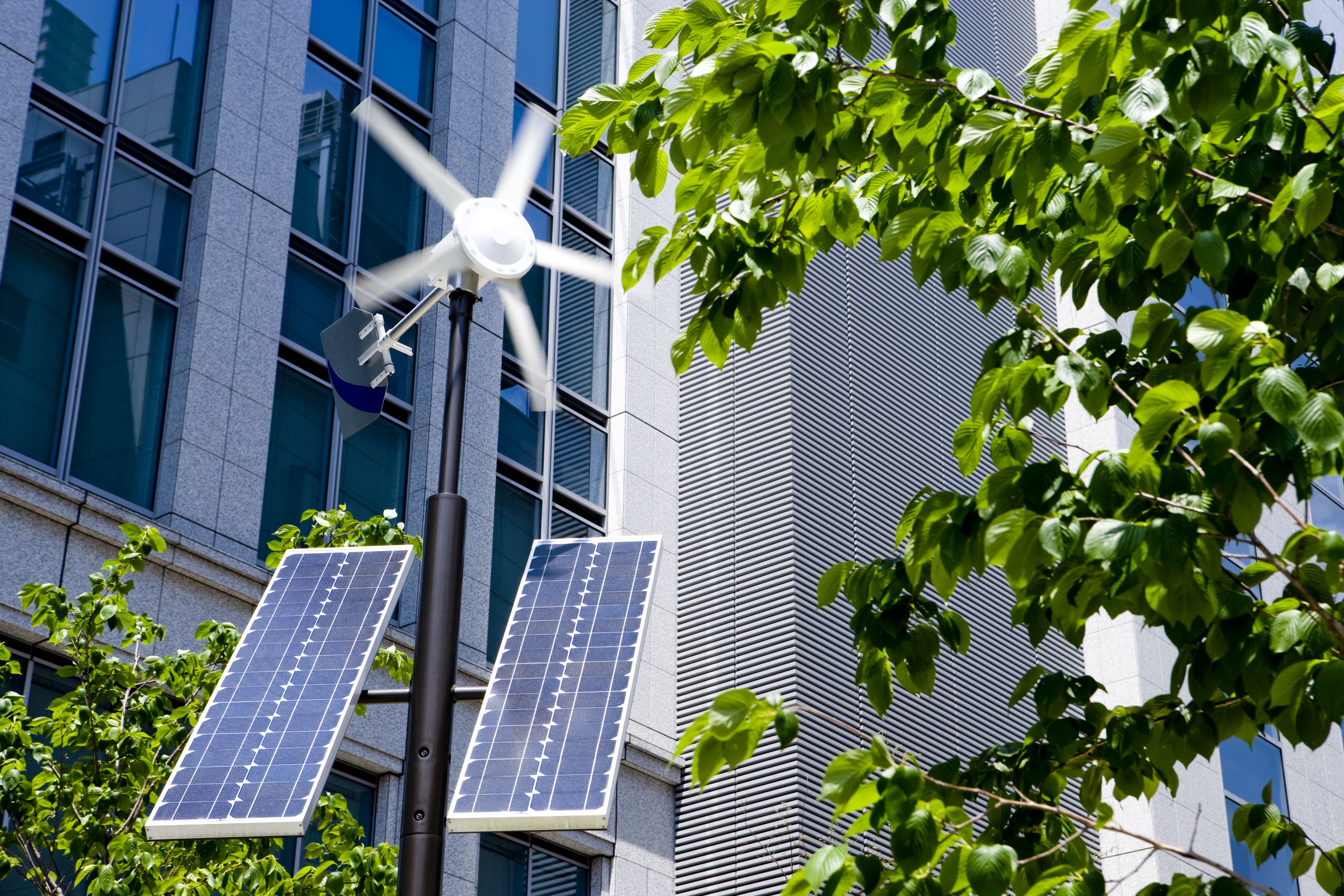
Solar panels, a solar power plant, a wind turbine, or any other system that can produce its own energy in excess can be used to build a Positive Energy Building.
It should be noted that the surplus electricity can either be stored or sold back to the EDF electricity grid at the prevailing purchase price.
The RE 2020 regulation evolves the construction standards of new buildings by promoting energy sobriety and efficiency, reducing the carbon impact of new building construction while improving the comfort of residents.
4- WHAT NEEDS TO BE DONE?
The RE 2020 regulation evolves the construction standards of new buildings. Renewable energy production must at least cover the building's needs to make it self-sufficient, or even exceed these needs.
For housing to reduce its primary energy consumption, excellent insulation of walls combined with a better choice of materials will also improve the residents' quality of life.
To make housing energy-producing, the optimization of the housing's free energy sources, such as the sun, is necessary. To build a positive energy house, photovoltaic panels or a wind turbine can be used to produce electricity. Wood heating, solar heating, heat pumps, and geothermal energy for heating, solar water heaters for hot water. Finally, for water, rainwater recovery, water treatment, and water softener.
5- THE ADVANTAGE FOR ME?
With the implementation of the RE2020, we as individuals and citizens are encouraged to consume less energy. Technological advancements that reduce the consumption of our equipment alone are not enough to achieve zero energy waste. Acquiring an apartment or house subject to the RE 2020 regulation is a responsible, comfortable, and profitable choice.
Profitable because it effectively reduces primary energy bills, or even produces a surplus when energy is produced and sold.
First-time buyers can also benefit from the Zero Rate Loan (PTZ), which allows financing up to 40% of the property amount through an interest-free loan. The PTZ is subject to two criteria: household income and the geographical location of the housing.
Reduced notary fees, between 2 and 3% of the acquisition price.
Furthermore, if the energy effort was primarily borne by the new real estate sector until now, the old sector should soon be directly involved. It should be noted that properties classified as F in the energy performance diagnosis will no longer be able to be rented out from 2025. This directly affects property owners.
At the same time, we all stand to benefit from the decarbonization of buildings, especially in terms of health, reducing energy bills, and saving costs in the system.